Plastic Blender Selection Guide: Choosing the Right Mixing Machine for Injection Molding
Author: Site Editor Publish Time: 2026-08-19 Origin: Site
Inconsistent mixing ratios, color differences, material waste, and unstable product quality can occur when the wrong mixing machine for injection molding is selected.
The right plastic blender depends mainly on mixing accuracy, material combination, production requirements, and automation level. Before choosing a machine, consider these three questions:
1. Blending Accuracy: How much ratio deviation can your product tolerate?
2. Material Combination: Will you mix virgin resin, regrind, masterbatch, or additives?
3. Automation Level: Do you need automatic calibration, compensation, or recipe management?
A mixing machine for injection molding accurately doses and mixes virgin resin, regrind, masterbatch, and additives before materials enter the injection molding machine.
By maintaining a consistent material ratio, a suitable plastic blender can help improve color consistency, product quality, material utilization, and production efficiency.
Different production requirements call for different mixing solutions, from simple fixed-ratio blending to high-precision gravimetric dosing.
How to Choose a Mixing Machine for Injection Molding?
The most suitable plastic blender depends on your material combination, required accuracy, number of components, and production requirements.
For injection molding applications using virgin resin and regrind, a volumetric or metering blender can be a practical choice. The right option depends on the required mixing accuracy and material ratio.
When Do You Need a Gravimetric Blender?
A gravimetric blender is recommended when high dosing accuracy and consistent material ratios are critical. It is particularly suitable for automotive, medical, electronics, optical, and other applications with strict quality requirements.
How Does a Gravimetric Blender Maintain Accuracy Over Time?
A gravimetric blender uses real-time weighing, automatic calibration, and intelligent compensation to correct dosing deviations. This helps maintain consistent material ratios during continuous injection molding production.
Should You Choose a Modular Blender?
If your production may use more materials or different recipes in the future, a modular blender provides greater flexibility. Additional dosing stations can be added without replacing the entire mixing system.
Inconsistent mixing ratios, color differences, material waste, and unstable product quality can occur when the wrong mixing machine for injection molding is selected.The right plastic blender depends mainly on mixing accuracy, material combination, production requirements, and automation level. Befo
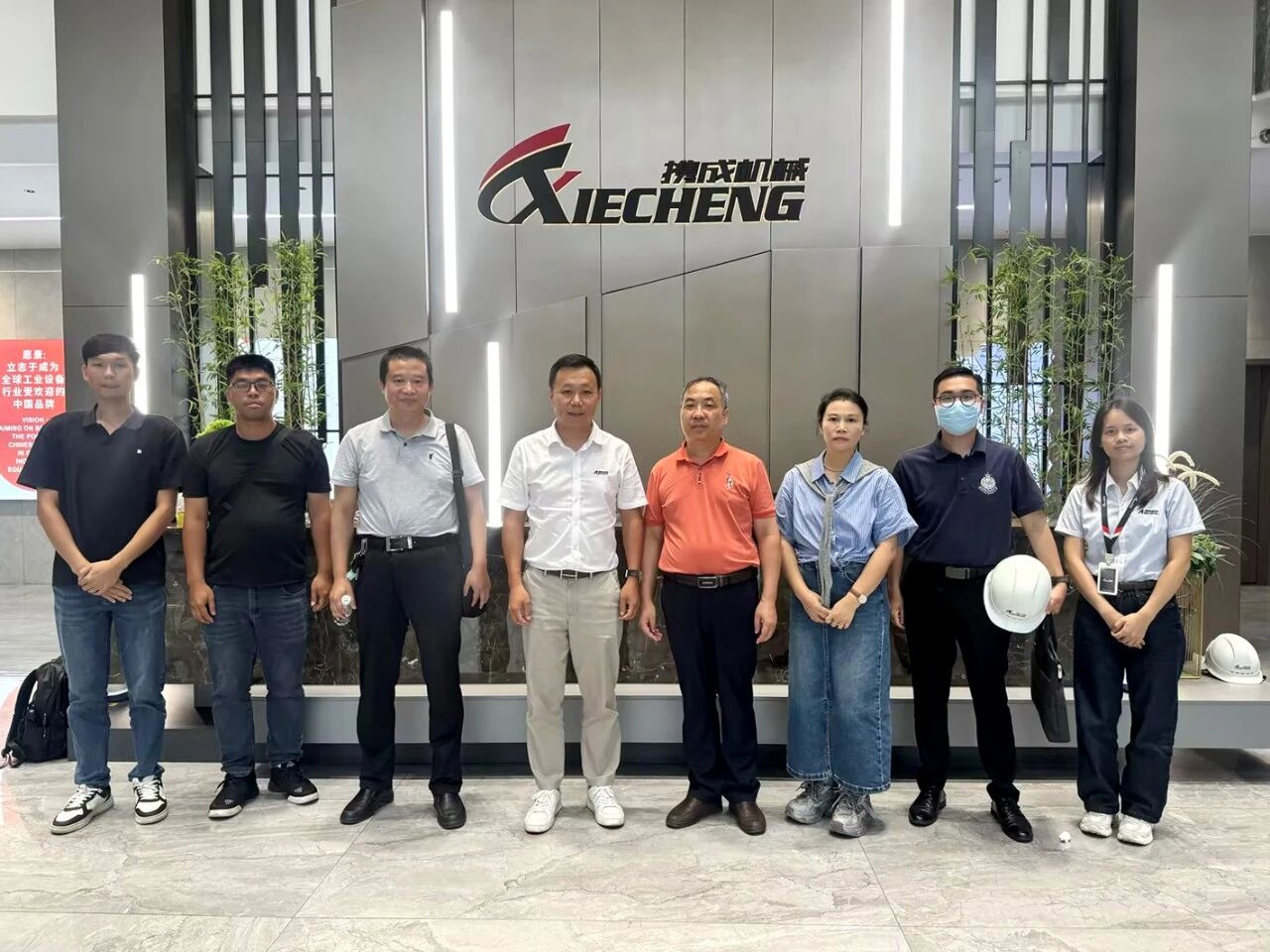
To support the “Millions of Talents Gathering in South Guangdong” initiative, deepen industry-academia collaboration, and better align talent development with industry needs, a delegation from the School of Mechanical and Automation Engineering, Wuyi University visited Guangdong Xiecheng Intelligent
In injection molding production, industrial chiller maintenance plays a critical role in ensuring stable product quality and efficient operation. Instead of waiting for breakdowns, implementing proper industrial chiller maintenance tips can significantly extend equipment lifespan and reduce operatin