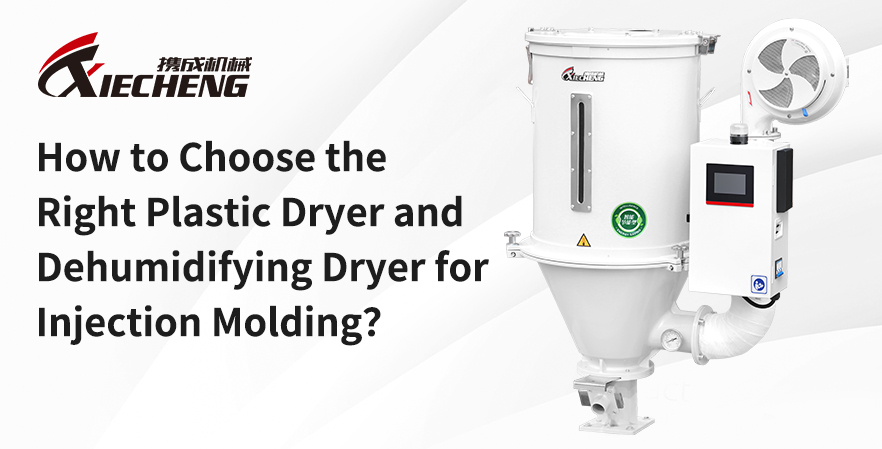
How to Choose the Right Plastic Dryer and Dehumidifying Dryer for Injection Molding
Author: Site Editor Publish Time: 2026-03-21 Origin: Site
In injection molding, material drying directly affects product quality and process stability. Many thermoplastics absorb moisture during storage and handling. If not properly dried, this moisture can lead to defects such as silver streaks, bubbles, reduced mechanical strength, and poor surface finish.
Based on practical application experience in plastic auxiliary equipment, XIECHENG has found that improper dryer selection is a common root cause of unstable production. Selecting an appropriate drying system is therefore a key step in process control.
This article outlines the characteristics of common plastic dryers and provides a practical guide for selecting the right system based on material type and production requirements.
1. Overview of Common Plastic Dryers
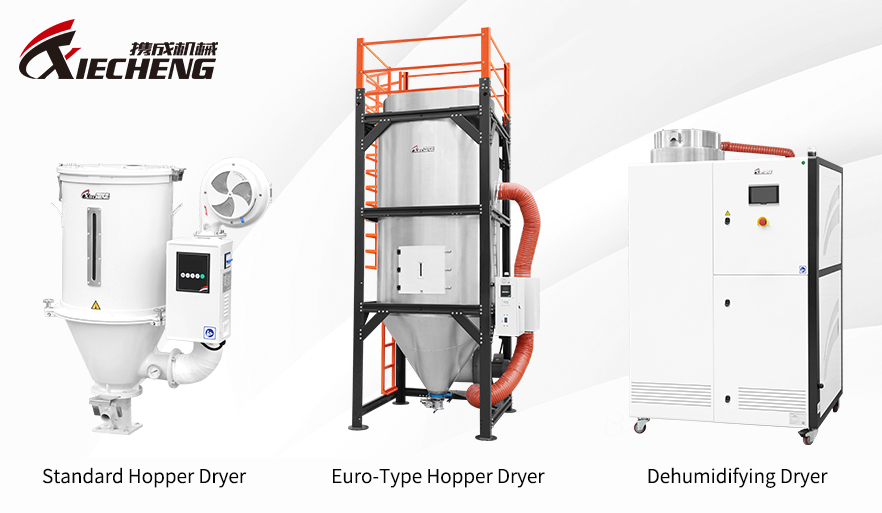
In most injection molding environments, three types of dryers are widely used:
Dryer Type
Drying Method
Application Scope
Key Feature
Standard Hopper Dryer
Hot air
Non-hygroscopic plastics
Simple and economical
Euro-Type Hopper Dryer
Optimized hot air
General-purpose plastics with moderate requirements
Improved airflow and insulation
Dehumidifying Dryer
Low dew point air
Hygroscopic engineering plastics
Removes internal moisture
The key distinction lies in whether the material absorbs moisture internally.
· Non-hygroscopic plastics typically require only surface drying
· Hygroscopic plastics require controlled low dew point air for effective moisture removal
These materials generally do not absorb significant moisture, so basic hot-air drying is sufficient. This type of dryer is commonly used in general-purpose molding processes due to its simplicity and low operating cost.
Euro Hopper Dryer
Euro dryers follow the same drying principle but incorporate improved structural design, such as better insulation and optimized airflow.
Typical applications:
· ABS
· PMMA
· Modified plastics
They are suitable where more stable temperature control and improved drying consistency are required, but where deep dehumidification is not necessary.
Dehumidifying Dryer
Dehumidifying dryers use low dew point dry air to remove moisture from within the material. This is essential for hygroscopic plastics that absorb water into their internal structure.
Typical applications:
· Polyamide (PA)
· Polycarbonate (PC)
· PET
· PBT
Improper drying of these materials can lead to hydrolysis, affecting both appearance and mechanical properties. In such cases, conventional hot-air drying is insufficient.
3. Plastic Drying Temperature and Equipment Reference
The table below provides general drying conditions and corresponding equipment recommendations:
These values are typical references. Actual drying conditions may vary depending on material grade, ambient humidity, and processing requirements.ECH models are energy-saving and recommended for better cost efficiency.
4. Choosing XIECHENG Means Choosing Reliability
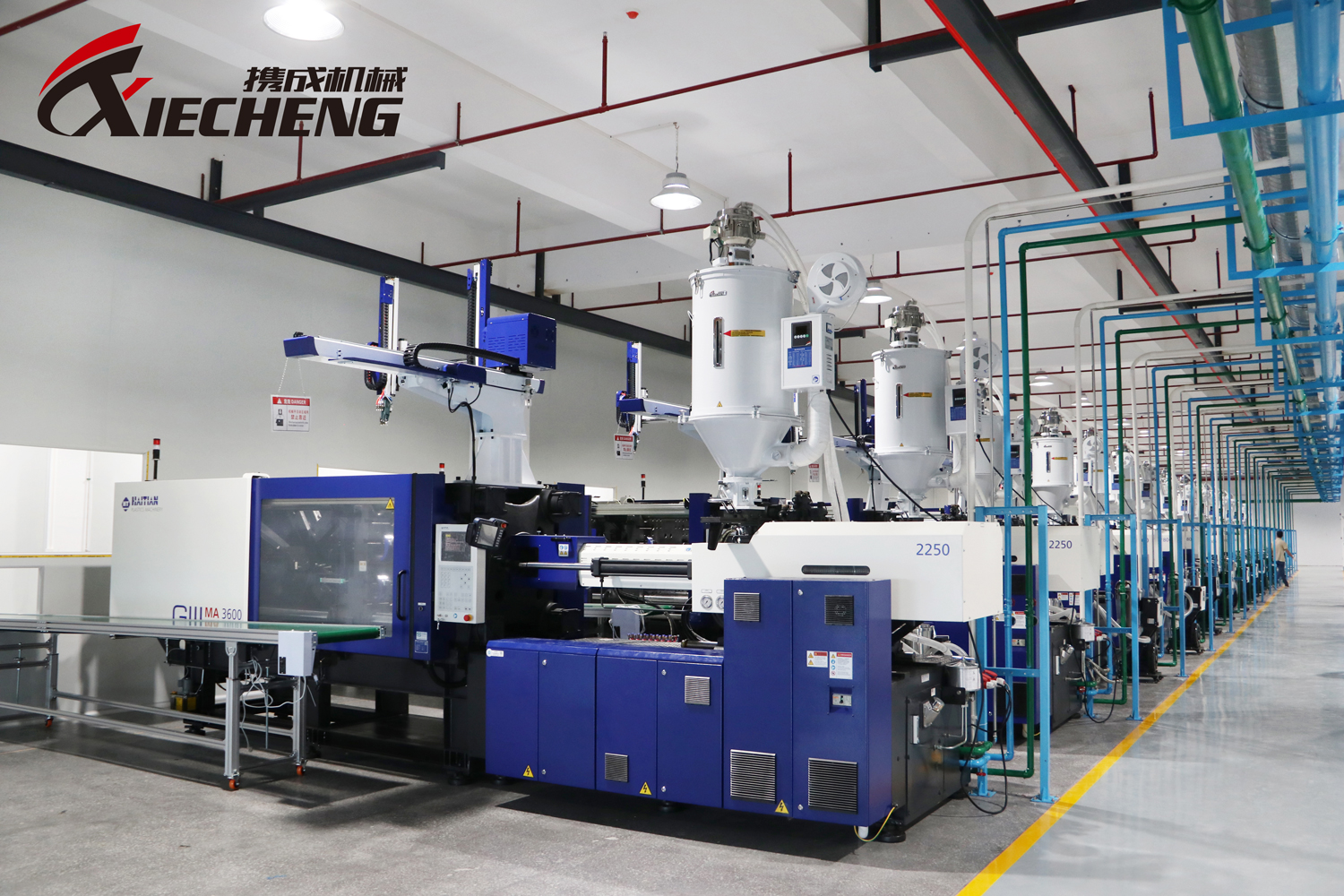
In modern injection molding, drying is often integrated into a complete material handling system. A dehumidifying hopper dryer system combines dehumidification, heating, and conveying to ensure stable drying performance and reduce the influence of ambient humidity.
With practical application experience, XIECHENG provides system-level drying solutions tailored to different materials and processing needs, helping improve production stability and reduce defects.
Improper plastic drying is one of the common causes of injection molding defects. Many production problems can be traced back to incorrect drying methods, insufficient drying, or choosing the wrong plastic dryer for the material.Here are several common mistakes manufacturers should avoid.× Using Hot
As October arrives and China celebrates its National Day, the country is filled with a festive spirit and a sense of joy. On this special occasion, XIECHENG extends our sincere greetings and heartfelt appreciation to our customers and partners for their continued trust and support, as well as to eve
With the refreshing autumn breeze and the full moon of Mid-Autumn Festival, Xiecheng sends its warmest wishes to all employees. May everyone enjoy a happy Mid-Autumn Festival, a joyful family reunion, and a wonderful holiday!Celebrating the Festival with Care for Our EmployeesTo celebrate the Mid-Au